
IN 2027, WITH CHIEF CHARLES ORIE, IMO CAN BLOSSOM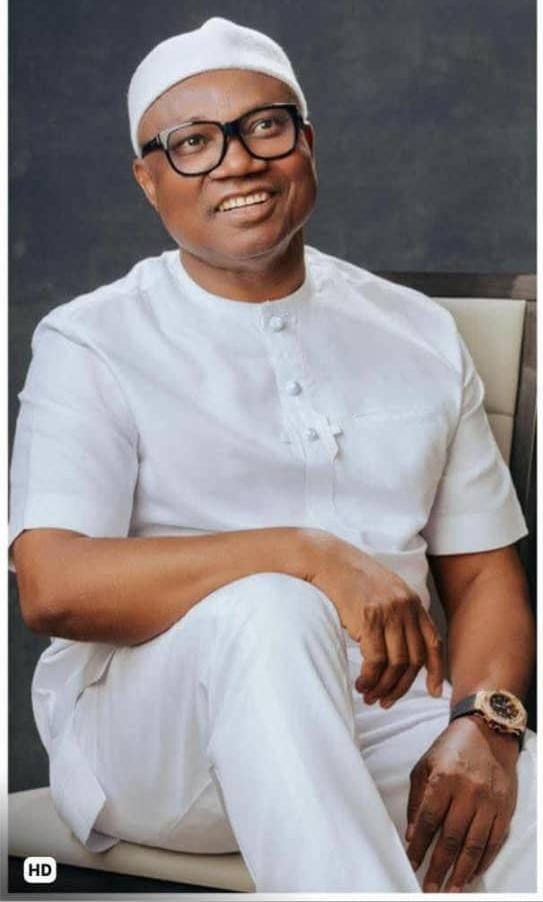
By Chibuzo Onuoha writing from Lagos
The approaching political transition presents Imo State with an opportunity to decide what kind of future it wants to build. Beyond personalities, alliances, and campaign slogans, the central question is how the next administration will improve the lives of ordinary people.
For the graduate seeking employment, the trader facing multiple levies, the farmer struggling to reach markets and the family unable to afford healthcare, good governance has a practical meaning. It means opportunity, security, reliable services, and a fair chance to succeed.
These expectations should shape the conversation around Chief Charles Orie.
His background in business, public service, and community development offers a basis for serious consideration. His experience at the Imo State Oil Producing Areas Development Commission, ISOPADEC, is relevant to that assessment. The strongest case for his leadership, however, must connect his good record to a credible programme for the entire state.
Imo has considerable strengths: an enterprising population, educational institutions, agricultural potential and a diaspora rich in expertise and international connections. Effective leadership must organise these resources into opportunities that reach households and communities.
Economic renewal should begin with an environment in which businesses can grow. Clear regulations, efficient approvals, reliable infrastructure and fewer arbitrary levies would help traders, artisans and small enterprises plan with confidence. Any proposed tax relief should be properly targeted and financially sustainable. State revenue should grow through greater productivity and better administration.
Young people must be central to this effort. Skills programmes should connect directly to employment in agriculture, technology, construction, healthcare, hospitality and the creative industries. Apprenticeships and technical education deserve stronger support, while young entrepreneurs need mentorship, finance and access to markets.
Success should be measured by sustainable livelihoods: people employed, businesses surviving and incomes improving.
Education and healthcare require the same focus on outcomes. Schools need effective teaching, functional facilities and practical preparation for modern life. Health centres need staff, medicines, equipment and dependable referral systems. Families should be able to obtain care without being pushed into financial hardship.
An Orie administration should strengthen programmes that work, address weaknesses and preserve useful achievements across political transitions. Continuity is valuable when it serves the public.
Infrastructure must also deliver clear economic benefits. Roads should connect farms to markets and communities to essential services. Electricity, water, drainage and broadband should reduce the costs of living and doing business. Project selection must be accompanied by transparent costs, realistic completion dates and maintenance plans.
None of these ambitions can flourish without security. Citizens need confidence that they can travel, trade, farm and return home safely. Effective coordination with security agencies, community engagement and respect for rights must support a sustained effort to restore public trust.
Fairness will be equally important. The debate about zoning and representation deserves respectful engagement. Orie’s strongest response would be a convincing commitment to govern inclusively, with fair appointments, equitable investment and visible development priorities across all 27 local government areas.
His engagement with the diaspora offers another opportunity. Imo professionals abroad can contribute specialist training, technical advice, research partnerships and access to investment. Clear procedures and dependable institutions would help turn goodwill into practical results.
These priorities should form a public contract with citizens. A credible programme must identify what will be done, how it will be funded, who will be responsible and when results should be expected. Regular progress reports would allow the public to assess delivery and demand improvements.
Supporting Chief Charles Orie should strengthen this commitment to accountability. His record deserves examination, his proposals deserve scrutiny, and his leadership should be judged by its capacity to serve the whole state.
Imo can blossom when ambition is matched by competence, inclusion and disciplined delivery. The opportunity before Orie is to demonstrate how his experience can help create that future.
The ultimate victory must belong to the people: young people finding work, families accessing healthcare, businesses expanding, and communities feeling safer and better served.
In 2027, Imo must win.
About The Author

You may also like
-
Pearlville School, Arsenal Golf Club Open New Chapter in School Golf Development
-
QUALITY EDUCATION FOR ALL: DR. EJIKE CHUKWU’S VISION FOR INCLUSIVE, TRANSFORMATIVE LEARNING IN IMO STATE
-
Cover and Inside Pages of Trumpeta, Friday Sept 25,2026
-
Cover and Inside Pages of Trumpeta Thursday September 24th, 2026
-
PHILANTHROPY: JOY AS CHIEF CHARLES ORIE FOUNDATION PAYS TUITION FEES FOR 20 FUTO STUDENTS