
SILENT STEWARDS OF OLD AGE: HOW NURSES CAN TRANSFORM CARE FOR THE ELDERLY IN NIGERIA
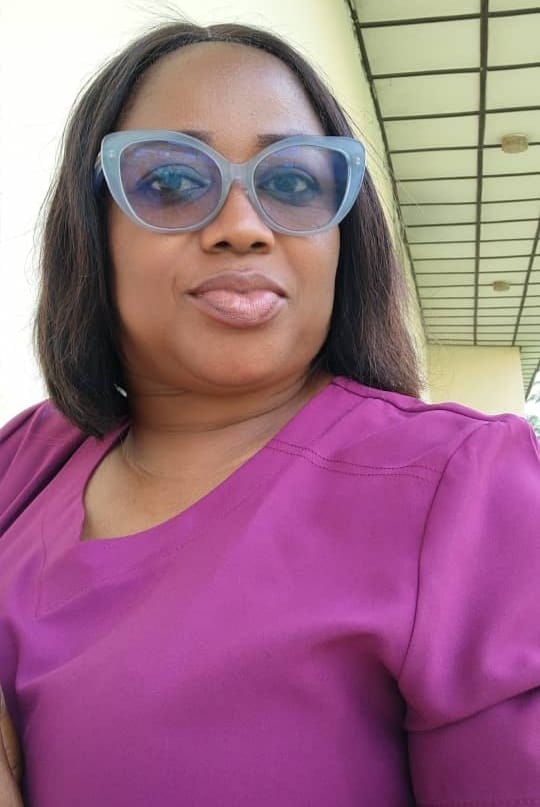
By Our Health Correspondent
Aging is an inevitable chapter of the human story. In Nigeria, where the extended family system once guaranteed that the elderly were surrounded by children, grandchildren, and community, we are witnessing a quiet shift. Urbanisation, economic pressure, and changing family structures mean that many older persons now live alone, or are cared for by domestic helpers, or—increasingly—spend their final years in hospitals and nursing homes. Yet, even within the family home, the burden of daily care often falls on busy relatives who lack training and time.
This is where the nurse steps in. As a Deputy Director of Nursing at IMSUTH Orlu, I have seen the profound difference that skilled, compassionate nursing care can make in the life of an aged person. Managing the elderly is not simply about treating diseases; it is about preserving dignity, managing multiple chronic conditions, preventing disability, and—above all—listening. In this article, I will outline the specific roles that nurses are expected to play in geriatric care, and why these roles matter more than ever in contemporary Nigeria.
Why a Special Focus on the Aged?
The elderly are not simply “older adults.” They present unique challenges: multiple chronic illnesses (hypertension, diabetes, arthritis, dementia), polypharmacy (taking five or more drugs daily), reduced physiological reserve, and a high risk of falls, pressure ulcers, and delirium. Moreover, many suffer from loneliness and depression, which are often mistaken for “normal aging.”
In Nigerian hospitals, we have traditionally focused on acute care—treating the malaria, the infection, the fracture—and then sending the patient home. But a nurse trained in geriatrics knows that the work has only just begun. The goal is not just to cure, but to function: to help an 80‑year‑old grandmother walk again, to ensure she can feed herself, to prevent the downward spiral that follows a hip fracture or a stroke.
The Core Roles of the Nurse in Managing the Aged
Nurses are expected to wear many hats when caring for the elderly. Here are the essential roles, illustrated with practical experiences from Imo State and beyond.
1. Comprehensive Geriatric Assessment
Before any care plan can be made, the nurse must assess the whole person—not just their blood pressure. This includes physical health, mental status, functional ability (can they bathe, dress, cook?), social support, and even their home environment.
Practical experience: At IMSUTH Orlu, we once admitted an 82‑year‑old man with repeated falls. The medical team had treated his mild arthritis but could not find a cause. A senior nurse visited his home as part of a community follow‑up. She discovered that his single room had a broken light bulb, a loose rug, and that he was getting up three times a night to use a bucket because he was too embarrassed to ask his daughter‑in‑law for help. Simple changes—a nightlight, removing the rug, placing a commode by his bed—stopped the falls completely. That is the power of nursing assessment beyond the hospital walls.
2. Medication Management and Simplification
Older adults often take multiple drugs from different doctors, leading to confusion, missed doses, or dangerous interactions. Nurses are expected to reconcile medications, teach the patient and family about each drug, and simplify regimens where possible.
Nigerian context: In a rural health centre in Imo State, I met an elderly woman taking six different tablets for hypertension, diabetes, and “blood tonic.” She had been mixing them in a bowl of water because she could not swallow large capsules. The nurse on duty crushed appropriate tablets, organised them into a daily pill organiser (made from recycled blister packs), and taught her daughter to supervise. Within two weeks, her blood pressure and sugar levels stabilised. Small, practical nursing actions prevent hospital readmissions.
3. Prevention of Falls and Pressure Ulcers
Falls are a leading cause of disability and death among the elderly. Nurses are expected to assess fall risk using simple tools (e.g., “Get Up and Go” test), ensure that hospital beds have side rails, keep walking aids within reach, and educate families about removing hazards at home.
Similarly, pressure ulcers (bedsores) are a sign of neglect, not aging. A nurse knows to turn bedridden patients every two hours, use pressure‑relieving mattresses (or even foam pads improvised locally), and inspect bony prominences daily.
Practical experience: A family brought their 90‑year‑old mother to IMSUTH with a deep sacral pressure ulcer. She had been bedridden for months, and the family did not know how to reposition her. Our wound care nurse not only debrided and dressed the ulcer but spent an hour teaching the family how to roll their mother using rolled blankets, how to apply local shea butter as a barrier, and how to recognise early redness. Three months later, the ulcer had healed completely. The family later told us, “We thought she was dying. You taught us that old age is not a disease.”
4. Managing Dementia and Delirium
Confusion in the elderly is often misdiagnosed as “senility.” But nurses are trained to distinguish between dementia (slow, progressive) and delirium (sudden, reversible, often caused by infection or drugs). A nurse who recognises delirium can prompt a urine test for a hidden urinary tract infection and save a life.
Furthermore, for patients with Alzheimer’s or other dementias, nurses use non‑pharmacological techniques: reorientation, calm communication, maintaining routines, and avoiding physical restraints.
Nigerian example: In a teaching hospital in Enugu, a nurse noticed that an elderly man with dementia became aggressive every evening around 5 p.m. (a phenomenon called “sundowning”). Instead of sedating him, she introduced a simple routine: a warm cup of cocoa, soft music from a radio, and a walk to the window to watch the sunset. His agitation disappeared. The medical team documented this as a nursing intervention that avoided chemical restraint—a model now shared across wards.
5. Emotional and Spiritual Support
The elderly often grieve—for lost spouses, lost independence, lost friends. Nurses are expected to be present, to listen without rushing, and to respect their spiritual beliefs. In Nigeria, where prayer and community are central, a nurse might pray with a patient (if appropriate) or arrange for a pastoral visitor. This is not “extra” care; it is essential care.
6. Education and Empowerment of Family Caregivers
Most elderly care in Nigeria happens at home, provided by daughters, daughters‑in‑law, or hired helpers. These caregivers are often exhausted and untrained. A key role of the nurse is to teach them: how to bathe a bedridden patient, how to give a bedpan, how to recognise a fever, how to prevent bedsores, and—importantly—how to take care of their own mental health.
Challenges Nurses Face in Geriatric Care in Nigeria
Let us be honest. Caring for the aged is physically and emotionally demanding. Nigerian nurses often work without adequate equipment (no specialised geriatric beds, no hoists, no pressure‑relieving mattresses). There are few geriatric specialists. And the pay is low relative to the back‑breaking work of lifting and turning heavy patients.
Yet, despite these challenges, nurses innovate. In Imo State, we have seen nurses fashion walking frames from local wood, create “pillow boots” from rolled towels to prevent foot drop, and use empty intravenous fluid bottles as urinals for bedridden men. Resourcefulness is our middle name.
Action: What Must Change?
If nurses are to fulfil their expected roles in managing the aged, three things are needed:
1. Training: Every nursing school in Nigeria must include robust geriatric content. We cannot treat the elderly as “small adults.”
2. Staffing: More nurses per shift reduce burnout and allow time for the holistic care that geriatric patients need.
3. Policy: The government and hospital boards must invest in geriatric equipment and recognise geriatric nursing as a specialty worthy of higher remuneration.
To families reading this: you are not alone. Bring your elderly loved ones to the hospital not only when they are acutely ill, but also for preventive assessments. Ask to speak to a nurse about home safety, about nutrition, about fall prevention. And treat the nurses who care for your parents with the same respect you would want for your own family.
Conclusion
Managing the aged is not about fighting death—it is about honouring life. The nurse’s role is to be the guardian of that honour: to see the person behind the wrinkles, to relieve pain that cannot be cured, to restore function where possible, and to comfort always. In the twilight years, when the world often forgets the elderly, the nurse remains a steady, skilled, and compassionate witness.
At IMSUTH Orlu, we strive every day to live up to that calling. We may not have all the resources we need, but we have our hands, our hearts, and our training. And for the aged man or woman lying on a bed, that is often enough to make the final years not just bearable, but dignified.
*Mrs. Victor-Chiaka Ogechi L. KAMALU is the Deputy Director of Nursing Services(DDNS) at Imo State University Teaching Hospital (IMSUTH), Orlu, Imo State.*
About The Author
