
JEFFREY UZOMA FIDELIS; WHY I AM INVOLVED IN RESETTING THE MINDS OF OUR YOUTHS IN THE SOCIET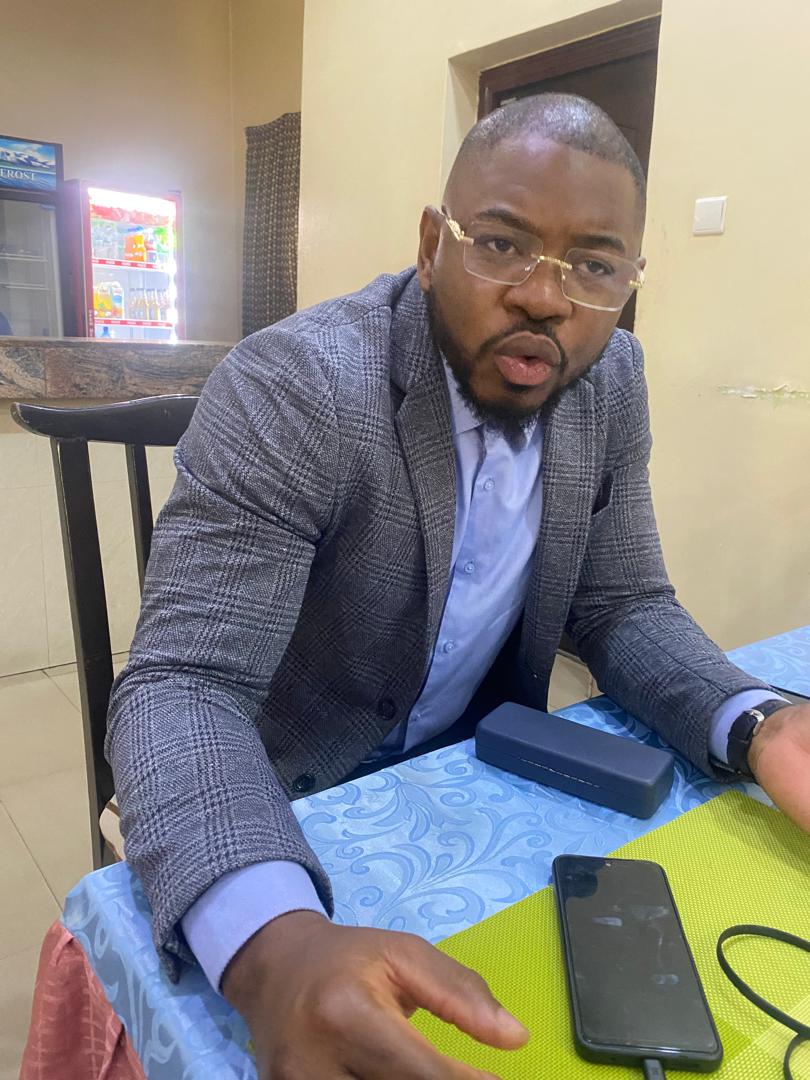 Y
Y
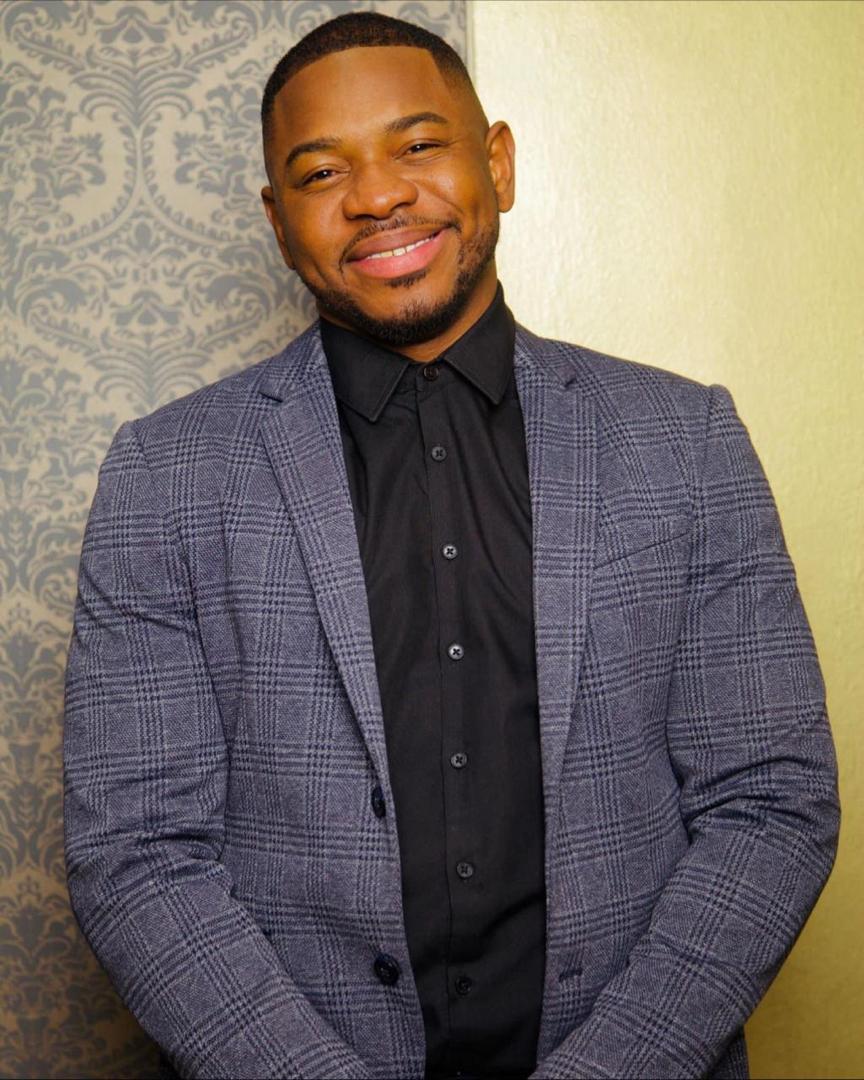
Apparently disturbed by the alarming rise in illicit activities involving young people, Jeffrey Uzoma Fidelis has taken a decisive step toward reshaping the mindset of the next generation and steering them toward a more purposeful path through the work of his foundation.
In this interview with Kelechi Mejuobi, Co-Publisher of Trumpeta Newspapers, the South Africa–based filmmaker, entrepreneur, and social advocate from Awo-Mmamma in Oru East Local Government Area of Imo State outlines his vision, plans, and commitment to empowering young people and restoring a stronger sense of responsibility and direction within society.
BRIEF BACKGROUND
My name is Jeffrey Uzoma Fidelis, Founder and CEO of TU Studios Africa, a television and film production company based in South Africa, and the founder of Elicit Communications, a newly established creative and marketing agency in Nigeria. I also serve as the Executive Chairman of the Fidelis Ukebuo Foundation, an organization committed to youth empowerment and community development.
My journey began at Yaba College of Technology (YABATECH), Lagos, where I studied Mass Communication. Driven by a desire to expand my professional and creative horizons, I later moved to South Africa to further my studies at the Digital School of Marketing (DSM).
Over the years, I have built my career as a professional filmmaker and marketing strategist, contributing to numerous creative and communication projects across industries. I am also the co-founder of the “Four Year Running Gospel Concept,” a long-standing gospel entertainment platform that has successfully run for several years.
These experiences collectively shaped my deep involvement in the film, television, and entertainment ecosystem, and ultimately inspired my return to Nigeria to establish Elicit Communications, a creative agency positioned to contribute meaningfully to the country’s growing media and creative economy.
WHAT INFORMED THE ESTABLISHMENT OF THE FOUNDATION?;
At a certain point in life, every individual must pause and ask a fundamental question: What can I give back to the society that shaped me? For me, that moment of reflection became unavoidable. I am a proud Igbo man from Isieke in Awo-Mmamma, Oru East Local Government Area of Imo State, and I cannot ignore the realities unfolding around our youth.
What I see today is deeply concerning, the growing drift of young people into destructive paths and the gradual erosion of values that once defined our communities. That realization made it clear to me that I have a responsibility to contribute to resetting the mindset of our young generation and helping them rediscover a more purposeful direction in life.
In South Africa, where I have spent a significant part of my professional life, I have already been involved in similar efforts through a foundation I co-run with a partner. Through that platform, we have been able to intervene in the lives of several young people, guiding and supporting them toward better choices and opportunities.
That experience made me ask an important question: If we can carry out this kind of intervention successfully in South Africa, why should we not replicate it here in Nigeria, particularly in the community that raised me?
For me, it became both a duty and a calling to bring this charitable and transformational work back home, because the reality is that our communities urgently need such interventions to help redirect the energy and potential of our youth toward building a better society.
SO WHAT ARE YOU DOING NOW?;
Under the Fidelis Ukebuo Foundation, I established the Uzoma Life Academy, a platform specifically designed to reach young men who have lost direction in their journey through life. Many of them have unfortunately become entangled in cultism, cybercrime, and other destructive activities that continue to threaten the moral and social fabric of our communities.
My focus is not merely to condemn these young people, but to recalibrate their mindset and help them rediscover purpose and responsibility. I believe strongly that transformation must begin in the mind, because every action first takes root in thought. If we can reach the mind, reshape the thinking, and expose these young men to new possibilities, then we can begin to redirect their lives toward something meaningful and productive for themselves and for society.
WHAT INFORMED THE UZOMA LIFE ACADEMY?
Like I was emphasizing earlier, I have witnessed how far and how dangerously many of our youths are drifting as a result of cultism, kidnapping, armed robbery, and cybercrime. These are not problems that appear overnight. They grow in environments where young people lack inspiration, guidance, and meaningful figures to look up to. Many of them carry silent struggles with no one to confide in, and in that vacuum, crime often becomes the path they follow.
One of the greatest weaknesses in our society today is the absence of strong role models and mentors capable of shaping the thinking of young people. When the mind is left unguided, destructive alternatives easily take over. This is why I believe there must be deliberate interventions aimed at redeeming and redirecting the lives of our youth.
For me, that work must begin at home. That is why our initial focus is on Oru East and Oru West Local Government Areas of Imo State, before expanding the initiative across the wider state. Charity, after all, begins at home. At the moment, we already have about five young men undergoing a process of resettlement, and within just a week we are already seeing visible changes in their thinking and behavior. This alone confirms that many more young people desperately need this kind of intervention.
What they require is not simply financial help. They need a reset of the mind. Without addressing their mindset first, giving them opportunities or financial assistance becomes ineffective. You cannot simply hand a young person money for a JAMB form, help him gain admission into a university, and assume the problem has been solved. If the mindset remains unchanged and the cultural values are not restored, the same individual may simply carry those destructive tendencies into the university environment and become a cultist there. In that case, the intervention has achieved nothing.
The real question we must ask ourselves is this: Where are the social platforms and activities that guide our young people toward purpose? Where are the structures that help them discover and develop their talents?
Many of these young men are gifted; their talents have simply never been awakened or nurtured. For example, my film and television company recently ventured into animation and comic creation. One of the young men we encountered became fascinated with the comic work we produced. That interest has now helped him rediscover a creative talent he never knew he had.
This is exactly the point of the intervention: to redirect their attention away from destructive vices and toward productive expressions of their potential. When young people begin to see possibilities for themselves, the attraction to crime begins to lose its grip.
HOW DO YOU IDENTIFY YOUTHS FOR THE PROGRAM OF THE FOUNDATION?
Some of us are able to discern and recognize young people who carry potential but are trapped in difficult circumstances. Identifying them often requires looking beyond what appears on the surface and understanding the realities of their backgrounds. That insight becomes a powerful tool for discovery.
In most cases, when you take the time to look closely, there is always a painful story behind their situation, a history of neglect, confusion, poor guidance, or societal pressure that pushed them in the wrong direction. At the foundation, we deliberately dig deeper into these personal stories, because within them lies the opportunity for intervention and rescue.
Our goal is to identify those who can still be redirected and help them reclaim a better path, turning what could have been a lost future into a story of transformation.
IS YOUR FOUNDATION ONLY FOR MALE AS WOMEN ARE ALSO PART OF YOUTHS?
I am deeply sincere about this mission of working with young people, and I am also careful not to cross boundaries. As a male, I can confidently relate to and understand the struggles, pressures, and realities that confront the male child, because I have lived that experience myself. However, I cannot claim the same depth of understanding when it comes to the challenges faced by the female child, and I believe it is important to acknowledge that honestly.
This is not about gender bias. In due course, we intend to create structured programs for young women as well, but for now we want to begin where we can be most effective and responsible. There are certain issues affecting the girl-child that require voices, perspectives, and leadership that are best represented by women themselves.
At this stage, our focus is to establish a strong milestone by working with male youths, who are an integral part of the society and who are currently at the center of many of the troubling realities we see around us. If we are honest with ourselves, many of the most pressing security and social challenges confronting our communities today, such as armed violence, cultism, and the activities of so-called unknown gunmen, are largely male-dominated.
For that reason, we believe that focusing on young men at this moment is both strategic and necessary. If we can help reshape their thinking, redirect their energy, and instill stronger values and discipline, we can begin to influence the broader stability and progress of the society.
CAN THIS BE SAID TO BE THE PANECEA TO GROWING CASES OF UNKNOWN GUNMEN IN OUR SOCIETY?
Our primary mission is not necessarily to confront or directly combat the phenomenon of unknown gunmen in the region. However, the truth is that every meaningful intervention creates a ripple effect. When you drop water into a still surface, the ripples spread far beyond the point of contact. In the same way, when you rescue and redirect even one young man, you begin to influence the wider society.
If we can save the male child by reshaping his mindset and guiding him toward purpose, we indirectly protect our communities from many of the vices that plague them today, including cultism, kidnapping, cybercrime, and even the activities associated with unknown gunmen. Over time, when you look at the community, you will begin to see the impact clearly: a society strengthened because a number of its young men were rescued from destructive paths.
While the rise of insecurity and the activities of unknown gunmen formed part of the background realities that prompted the creation of this NGO, our core objective is broader than that. Our goal is to identify and redirect young men before they become absorbed into these destructive systems, thereby reducing the presence of such vices in the first place.
Having spent years outside Nigeria, I have also experienced firsthand the realities of racism and xenophobia that many Africans face abroad. Those experiences deepen one’s appreciation for home, for one’s roots and identity. For me, Imo State and Awo-Mmamma represent that ancestral connection, and that sense of belonging is part of what inspired the establishment of this foundation.
Through the Uzoma Life Academy, we intend to gradually extend this intervention into the wider society, starting from Awo-Mmamma, expanding across Imo State, and eventually reaching other parts of the country. At the heart of this effort is a clear focus: reaching the youth, reshaping their thinking, and guiding them toward a more constructive role in society.
CAN BAD GOVERNANCE BE SAID TO BE RESPONSIBLE FOR THE ATTITUDE OF THE YOUTHS?
The character and behavior of young men and women raised within any society are largely shaped by the nature and conduct of the system that governs them. In many ways, the attitude of the people becomes a reflection of the attitude of their government. Societal behavior does not emerge in isolation, nor does it suddenly appear from elsewhere; it evolves from the political and cultural environment that citizens are exposed to over time.
The ideologies and governance culture we see within the political system inevitably influence how people think, act, and define success. When a society consistently witnesses corruption, impunity, and disregard for accountability within its leadership structures, those patterns gradually filter into the wider culture. Over time, they shape the moral compass of the society itself.
What we are experiencing today, the normalization of certain vices and the erosion of ethical standards, is therefore not accidental. It is largely the product of a culture that has been formed by years of governance practices that many citizens have observed, internalized, and, in some cases, replicated.
WHAT STRUCTURES ARE ON GROUND TO MAKE THE FIDELIS UKEBUE FOUNDATION WORK?
The Fidelis Ukebuo Foundation has developed a charitable ecosystem made up of distinct units, each designed to address specific social challenges within the community. One of these initiatives is the Uzoma Life Academy, which focuses on mentoring and guiding young men between the ages of 15 and 25, helping them rediscover direction, discipline, and purpose.
Another key initiative is the Oru Community Consolidation Forum (OCCF), a structured two-way town hall platform designed to foster open dialogue between the people and those working toward solutions within the community. The first edition of this forum is scheduled to take place on April 11, 2026, at Stallies Palace Hotel in Awo-mmamma, where we aim to bring together over one thousand community members from across Oru.
Our approach is intentional: we do not want to be invisible in the solutions we propose. Instead, we believe in engaging directly with the people, listening to them, understanding their realities, and identifying the real problems affecting the community before proposing meaningful interventions.
Beyond youth development, the foundation is also building specialized units that focus on women, mothers, and the elderly, recognizing that every segment of society plays a crucial role in shaping the wellbeing of the community.
Importantly, our NGO is not structured around simply distributing food or handing out money. Our philosophy is to identify root problems within the society and address them decisively through structured programs and interventions. At the heart of this mission is a deep interest in the mindset of our people, because sustainable transformation begins with how individuals think, perceive their environment, and respond to the challenges around them.
BASED ON THESE LOFTY PROJECTS, HOW DOES FUNDING COMES IN?
An NGO must remain open to partnerships and support from individuals or institutions whose interests align with the mission of the foundation. However, I strongly believe that a foundation must first demonstrate commitment and action before seeking external assistance. It is important to move first, establish credibility, and show tangible effort before inviting broader support.
For instance, in preparation for our April 11, 2026 event, we have already received encouragement and support from the owner of Stallies Palace Hotel, Awo-mmamma who has graciously identified with our vision and assured us of his assistance in hosting the Oru Community Consolidation Forum. We are deeply grateful for his willingness to support this initiative.
Personally, I do not subscribe to the culture of begging for support at the early stages of a project. My philosophy is simple: start the work, demonstrate seriousness and impact, and allow people to see the value of what you are building. Once that foundation of credibility is established, genuine support will naturally follow.
In that regard, the Fidelis Ukebuo Foundation sincerely appreciates the owner of Stallies Palace Hotel for the support he has shown so far in helping us take these first important steps.
SO FAR, WHAT’S THE NUMBER OF PARTICIPANTS?
Barely a week after arriving in the state, we already have about five young men currently under our mentorship and resettlement process. Interestingly, they are not all originally from Awo, though some of them currently live there. What is encouraging is that within this short period, I am already beginning to observe clear signs of transformation in their thinking and behaviour, changes that were not evident when I first encountered them.
There is a noticeable shift from the old patterns of thinking and conduct that previously defined their lives. For now, the number may appear small, but what matters most is the quality of the transformation taking place.
This is just the beginning. The initiative may start with a handful of young men, but we are steadily growing, and the goal is to expand this impact gradually as more youths begin to find direction and rediscover purpose through the program.
IS YOUR NGO ENTIRELY AN AWO OR ORU AFFAIR ?
Our efforts are not limited to the areas earlier mentioned. While Oru serves as the immediate starting point for our work, it is only the first step in a much broader vision. Our wider target is Imo State as a whole.
Awo-Mmamma represents the foundation from which we are launching this initiative, our entry point into Imo State. From there, we intend to gradually extend our programs and interventions across other communities within the state.
Beyond Imo, our vision does not stop there. We have long-term plans to expand these initiatives across Nigeria, but we believe strongly in building from the ground up, starting from home, establishing a working model, and then replicating that model in larger spaces.
About The Author

You may also like
-
Cover and Inside Pages of Trumpeta Tuesday, October 20th, 2026
-
Mbaise Secondary School, MSS Celebrates Platinum Jubilee January 2027
-
Imo SDP State Chairman, Augustine Okere Resigns from Party. *Floats Political Support Group
-
CHIKE OKAFOR LEADS APC CAMPAIGN IN OBOWO, PLEDGES AT LEAST 40,000 VOTES FOR TINUBU, NDUBUEZE, OKEKE Urges Obowo to reciprocate Governor Uzodimma’s good governance with massive votes
-
OWERRI ZONE UNITED REAFFIRMS SUPPORT FOR UZODINMA, ADOPTS APC AS SOLE POLITICAL PLATFORM, BACKS OWERRI ZONE SUCCESSOR