
HAND OVER TO OHAJI-EGBEMA: IMO’S OIL REGION DEMANDS GOVERNORSHIP SEAT TO END MARGINALIZATION
Uzodimma Urged to Emulate National Precedent That Produced Jonathan; Chief Charles Orie Tipped as Consensus Choice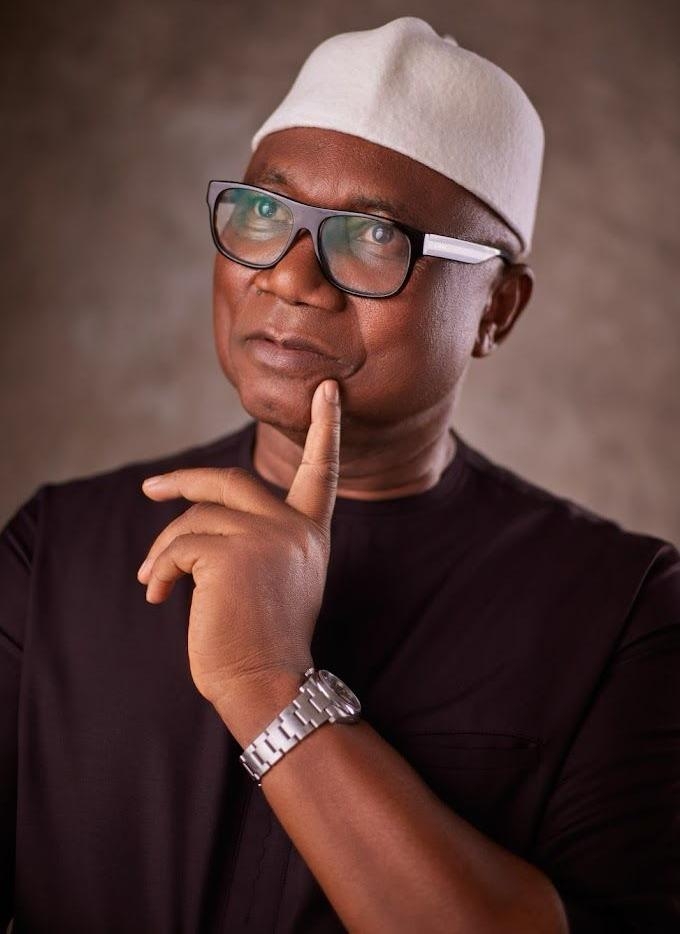
_By Dr Osita O.U_
_Writes from Isiala Mbano_
*OWERRI* — Agitation is mounting in Ohaji-Egbema, Imo State’s oil-bearing heartland, for Governor Senator Hope Uzodimma, CON, to cede the 2027 governorship ticket to the long-marginalized region. Stakeholders insist the move is the only path to justice for an area that fuels the state’s economy but suffers environmental ruin and underdevelopment.
The demand draws direct inspiration from the Niger Delta struggle that produced Dr Goodluck Ebele Jonathan as Nigeria’s President. “It was sustained agitation by the oil-producing Niger Delta that corrected national marginalization,” community leaders argue. “That same gesture of equity must be replicated in Imo State, and Ohaji-Egbema stands out for that position.”
From town halls to traditional councils, a consensus is building around Chief Charles Orie as the man who should carry the region’s mandate. Elders say his pedigree, competence, and deep understanding of the oil communities’ trauma make him the automatic choice to lead Imo’s recovery and transformation.
*OIL WEALTH, HUMAN COST: WHY OHAJI-EGBEMA CAN’T WAIT*
Nestled on the western flank of Imo State, Ohaji-Egbema is a land of tranquil creeks and resilient people. It is also a stark paradox: a major contributor to Nigeria’s oil wealth, yet home to decades of loss. Crude oil exploration has left poisoned water, ruined farmlands, and a public health emergency.
While the nation profits, host communities bear the burden. Frequent spills from corroded pipelines, equipment failures, and the ceaseless gas flares have collapsed ecosystems. Toxic effluents drain into streams that once fed families. If Imo seeks justice and equitable development, Ohaji-Egbema must be declared a humanitarian and environmental emergency.
*THE COST OF CRUDE: ENVIRONMENT AND HEALTH IN COLLAPSE*
The devastation is measurable: extensive soil damage, severe water contamination, chronic air pollution from flaring, and steep biodiversity loss. The human toll is grave. Residents report skin rashes, eye irritation, and respiratory illness. Families live with anxiety over cancers and birth defects linked to hydrocarbon exposure.
Social fractures are deepening. Disputes over poor compensation, youth unemployment, and the collapse of farming and fishing livelihoods now threaten communal stability.
*WHY THE ZONING MATH FAVOURS OHAJI-EGBEMA*
Beyond moral claims, history backs the region’s demand. Geographically and historically, Ohaji-Egbema lies within the Owerri axis. But after Imo State’s creation in 1976, it was controversially re-assigned to Orlu Zone — a move many analysts tie directly to oil politics. That historical injustice, elders say, strengthens the case for a 2027 governor from Ohaji-Egbema.
They argue Governor Uzodimma has an opportunity to write his name in gold by championing power shift to the oil region, just as Nigeria once conceded the presidency to the Niger Delta.
*CHIEF CHARLES ORIE: THE FACE OF THE AGITATION*
Stakeholders are not asking for charity. They demand reconstruction and representation by a leader who feels their pain. The name on most lips is Chief Charles Orie — praised for his track record, humility, and compassion. Supporters say he combines local legitimacy with the capacity to convene traditional rulers, youth groups, women’s cooperatives, and faith leaders for unified recovery.
“Only a son of the soil understands the trauma,” one elder said. “Chief Orie can drive jobs, skills, healthcare, and economic renewal for all of Imo, starting from the most devastated communities.”
*A SIX-POINT RECOVERY BLUEPRINT FOR THE NEXT GOVERNOR*
Whoever emerges from Ohaji-Egbema will face a clear mandate. These measures are non-negotiable:
*1. Independent Environmental Audit*
Commission a thorough, independent audit of all oil facilities, pipelines, and flare sites. Publish findings and binding remediation timelines.
*2. Emergency Water and Health Interventions*
Deploy safe water points and mobile clinics. Begin baseline health screening for conditions linked to hydrocarbon exposure.
*3. Fast-Tracked, Standards-Based Cleanup*
Launch rapid remediation to international standards, with third-party verification and community monitoring committees.
*4. Gas Utilization Plan*
Develop gas capture and utilization projects that can power local industries and homes.
*5. Sustainable Livelihood Restoration*
Ensure fair, timely compensation tied to verifiable losses. Fund aquaculture, value addition for cassava and palm oil, and large-scale youth skills programmes.
*6. Community Development Agreement Framework*
Institutionalize a transparent CDA that gives host communities a real stake in project oversight and social investment.
*FROM SACRIFICE ZONE TO DEVELOPMENT PARTNER*
The crisis is not abstract. It is in the barren soil, the unsafe water, and the air that stings the throat. Imo has one chance to change this trajectory: treat Ohaji-Egbema as an emergency, enforce cleanup, restore livelihoods, and anchor the process in leadership drawn from the community itself.
For the resilient people of Ohaji-Egbema, and for the credibility of Imo State, the time to act is now. Stakeholders are calling on Governor Hope Uzodimma to heed the agitation and back power shift to the oil region. As in the Niger Delta with Jonathan, this gesture can heal wounds. And in Ohaji-Egbema, that mandate falls squarely on Chief Charles Orie.
About The Author

You may also like
-
Cover and Inside Pages of Trumpeta Thursday September 24th, 2026
-
PHILANTHROPY: JOY AS CHIEF CHARLES ORIE FOUNDATION PAYS TUITION FEES FOR 20 FUTO STUDENTS
-
2027: Prophet Akujor Predicts Assassination Attempt on Peter Obi, Tinubu Re-election — Warns of possible political crisis in Aso Rock, plane crash
-
Imo LG Chairmen, Councilors Going Going! Uzodimma May Name IMC Members Next Week …As Assembly Amends Local Govt Law …27 Chairmen, 305 Councilors Face Exit
-
POSITION PAPER: Getting the Basics Right: Building an Imo State Where Business Thrives